- Filed as
 Vampire
Story 914
Vampire History: It’s Not What You Think
The origins of vampire folklore do not lie in gothic novels or cinematic fiction, but in the harsh, unpredictable realities of medieval and early modern European life—a world gripped by pestilence, agricultural superstition, and a total lack of medical science.
1. The Medical and Scientific Ignorance of Death
Before modern forensics, the biological process of decomposition was a terrifying mystery. When bodies were exhumed months after burial to clear space in crowded churchyards, villagers were frequently horrified by natural bodily changes that they interpreted as signs of unholy life:
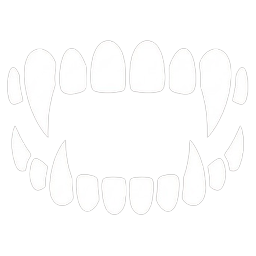
- Post-Mortem Dehydration and Shrinkage: As skin dries and recedes after death, the gums pull back, exposing teeth and giving the skull the appearance of developing fangs. Hair and fingernails also appear to grow as surrounding flesh contracts.
- Purging and Bloating: As bacteria decompose internal organs, gases accumulate in the abdomen, forcing blood and dark, liquefied fluids up through the trachea and out of the nose and mouth. When villagers opened a coffin and saw fresh, dark fluid staining the lips, they believed the corpse had been feeding.
- Post-Mortem Vocalization: Trapped gases forced past the vocal cords when a body was moved or a shroud disturbed often produced an audible groan or hiss, terrifying witnesses into thinking the dead were speaking.
2. Epidemics and Pathological Scapegoats
Real vampire panics—which peaked in Eastern Europe, Serbia, and Wallachia during the 17th and 18th centuries—always coincided with devastating public health crises.
- Tuberculosis and Wasting Diseases: When an infectious disease like tuberculosis swept through an agrarian village, it tore through families one member at a time. An infected person would grow pale, cough up blood, waste away, and die, while their relatives soon fell ill with the exact same symptoms.
- The Scapegoat: Lacking any concept of germ theory or airborne bacteria, grieving communities blamed the first family member to die, convinced that the deceased was rising from the grave at night to drain the life force of the survivors.
3. Real Medical Conditions Behind the Myth
Certain rare, misunderstood medical conditions also contributed to the persistent archetype:
- Porphyria: A genetic blood disorder causing extreme photosensitivity, blistering in sunlight, and severe gum recession that exposes teeth.
- Rabies: A viral infection causing violent aggression, hypersensitivity to water, light, and mirrors, spasms, and an erratic mental state that can involve biting.
4. Ritualistic Execution of the Dead
Because these occurrences were viewed as physical threats, communities developed brutal, standardized countermeasures. Historical records from the 1700s document local magistrates and villagers exhuming suspected corpses to drive iron or wooden stakes through their hearts (a practical method to release internal decomposition gases and pin the body), decapitate them, or burn their hearts to ash.
The Evolution into Literature
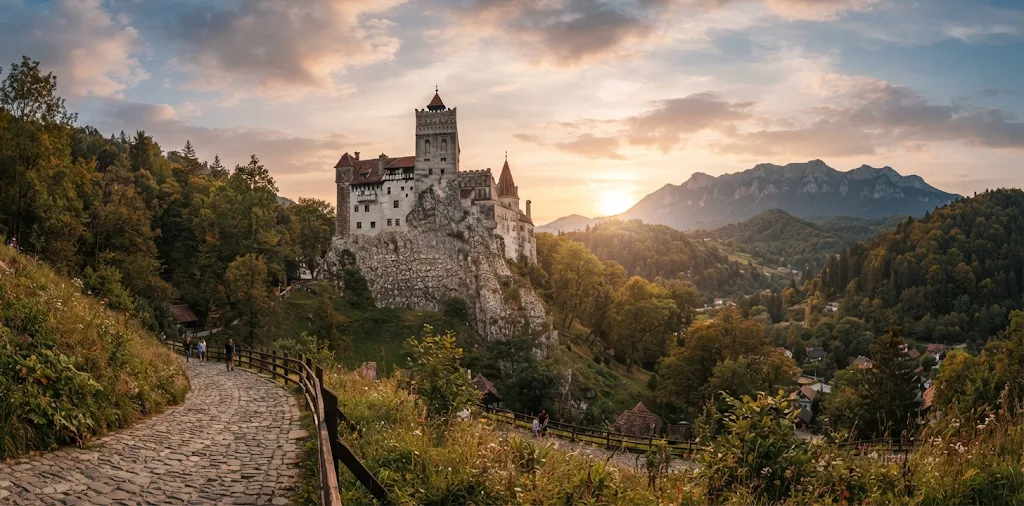
Centuries of these peasant superstitions, archival exhumation reports, and regional legends eventually intersected with history. In the 15th century, Vlad III, Prince of Wallachia (known as Vlad the Impaler or Drăculea), ruled through draconian justice and mass impalement to defend his domain against the Ottoman Empire.
Centuries later, author Bram Stoker borrowed Vlad’s historical moniker—derived from his father’s membership in the Order of the Dragon (Dracul)—and fused the ruthless warlord’s name with centuries-old peasant folklore about decomposing ghouls. This literary marriage permanently cemented the modern vampire archetype in the global imagination