- Stories at this place
- 2
- Filed as
 Hawaiian Folklore
Story 561
Who are the Menehune?
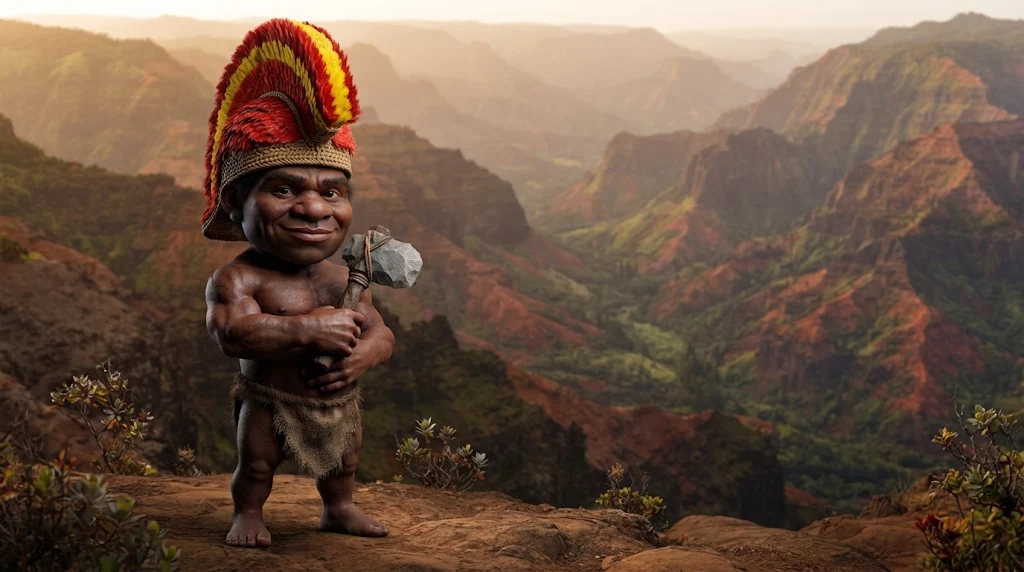
The Menehune occupy a unique space in Hawaiian history, straddling the line between ancestral reality and cultural folklore. While modern pop culture often paints them as magical, elf-like woodland sprites, a closer look at oral traditions, historical records, and pre-contact accounts reveals a far more grounded—and fascinating—truth.
The Background: Who Were the Menehune?
1. The Historical and Anthropological Reality
Historians, cultural practitioners, and kupuna (elders) frequently note that the Menehune were not mythical, winged creatures or magical European-style dwarves. Instead, they were likely a distinct, real race of people—often believed by historians to be a first-wave migration of settlers who arrived in the Hawaiian Islands long before the later waves of Tahitians.
- The Etymology: The word itself is rooted in the Tahitian word manahune, which historically referred to a commoner or lower social class. As newer, more dominant voyagers settled the islands, the earlier inhabitants were pushed into the margins of society and the remote highlands.
- The 1820 Census: Far from being confined entirely to ancient myth, historical documentation notes that during an official census ordered by King Kaumualiʻi of Kauaʻi in 1820, roughly 65 people self-identified as “Menehune” living in the Wainiha Valley. They were described not as supernatural sprites, but as an independent, industrious people of short stature and robust physical build.
2. Master Builders of the Islands
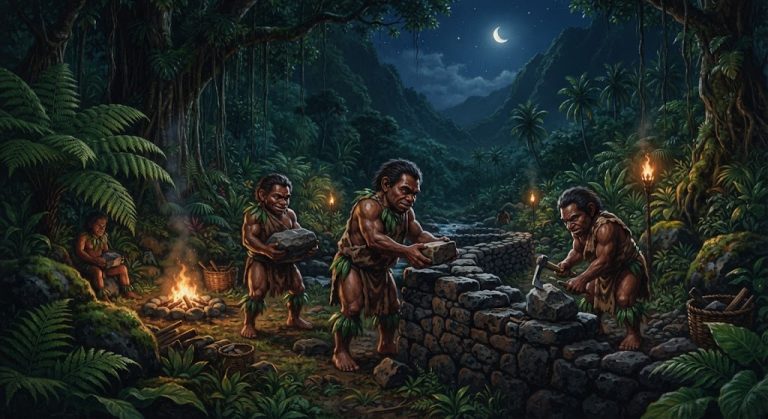
In Hawaiian oral history, the Menehune are famed for their extraordinary engineering feats. They are credited with building massive stone structures overnight—including fishponds, heiau (temples), roads, and water channels—working in tightly coordinated lines passing stones hand-over-hand across miles.
According to legend, they only worked under the cover of darkness. If a project was not finished before dawn, or if curious onlookers spied on them, the work would be abandoned forever. While 19th-century writers sometimes leaned into the “magical elf” narrative to downplay the advanced engineering capabilities of early Native Hawaiians, the stories preserve the memory of an incredibly organized, hardworking ancient populace.
Where Are They Frequently “Seen” or Reported?
Because they are traditionally said to have retreated into the deep, mist-shrouded interiors of the islands to avoid mixing with later settlers, modern accounts and folklore place sightings in very specific environments.
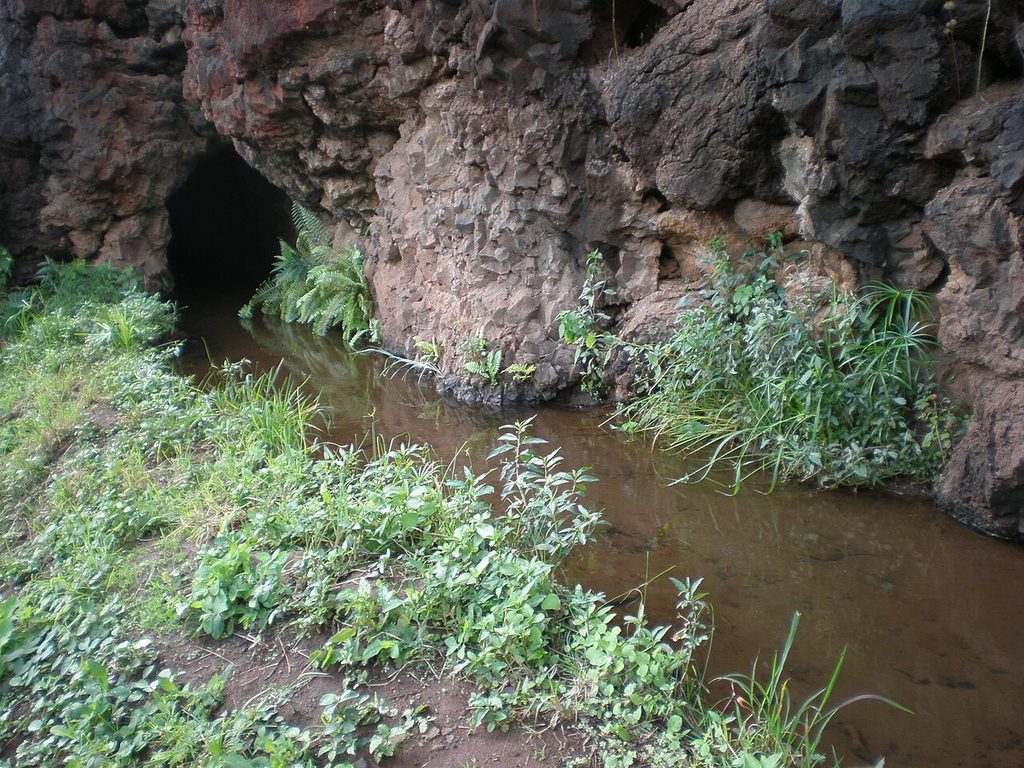
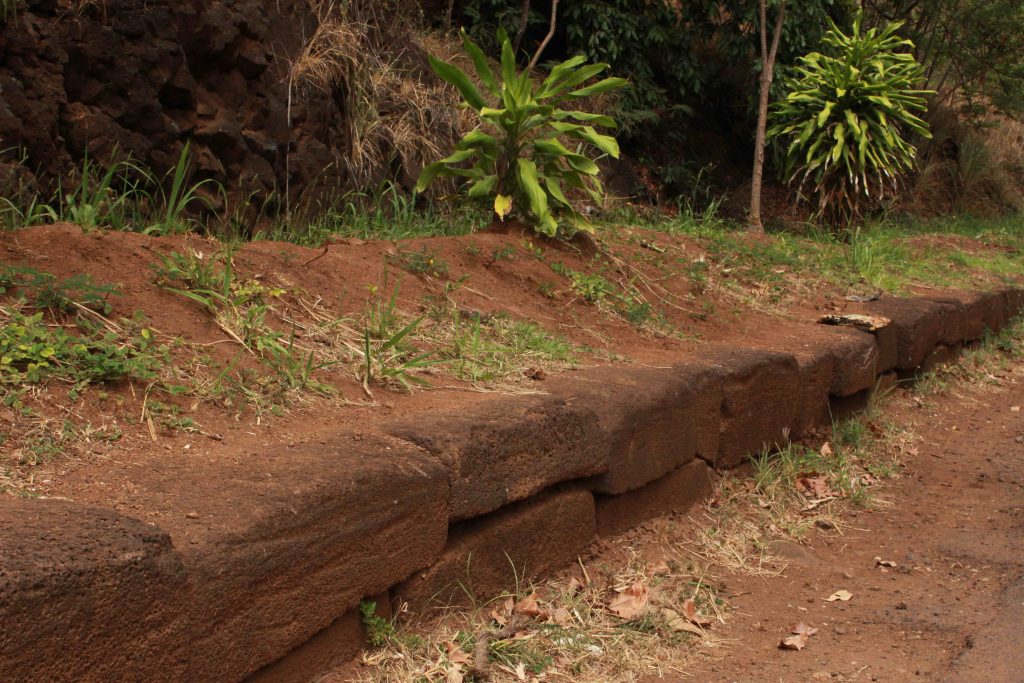
- The Island of Kauaʻi: Kauaʻi is considered the true heartland of the Menehune.
- Wainiha Valley & Waimea: Historically tied to the population records of the 1820 census, the dense valleys and historic waterways of western and northern Kauaʻi—such as the areas surrounding the Kīkīaola or the Menehune ditch a (historic ditch/aqueduct attributed to them)—are frequent focal points for modern folklore and shadowy encounters.
- The Alekoko (Menehune) Fishpond: Located near Niumalu, this impressive engineering marvel is heavily associated with tales of overnight construction.
- Deep Forests and Remote Valleys: Across the major islands (including Molokaʻi and the rugged windward valleys of Oʻahu), locals and hikers occasionally swap stories of brief, fleeting glimpses of small, stocky, swift-moving figures in the deep brush or near ancient stone ruins.
- Cultural Lore and Respect: In local Hawaiian culture, encountering or sensing the presence of the Menehune is met with quiet respect. Traditional protocol dictates leaving places undisturbed, and folklore warns against disrespecting areas known to be tied to them.
Whether viewed through the lens of ancient ancestral history or enduring local legend, the Menehune remain an integral thread in the rich tapestry of the Hawaiian Islands.