- Stories at this place
- 2
- Filed as
 Apparition
Story 907
The Solitary Marker at Kalawao
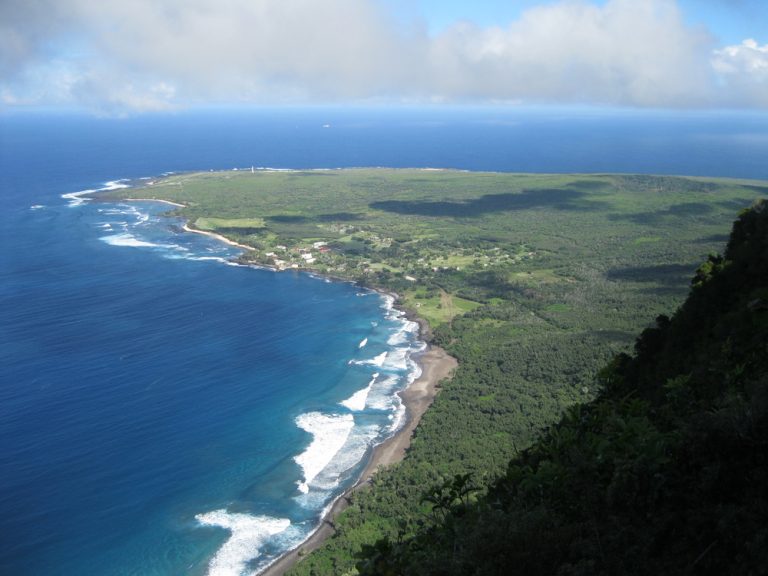
The wind on the Kalaupapa peninsula never truly stops. It sweeps off the open Pacific, tearing across the flat, windswept plains of Kalawao with a relentless hiss that flattens the ironwood trees and carries the distant, hollow thunder of waves battering the northern pali.
In the early decades of the forced quarantine, the settlement at Kalawao was a place of immense sorrow. Small, fragile wooden shacks dotted the barren landscape, hurriedly built to house people torn away from their families and declared legally dead by the outside world. Among the exiles was a young woman who had managed to hold onto a few cherished belongings brought from her home on Maui, including a small vial of rare ylang-ylang essential oil. Pressed from the star-shaped, yellow blossoms of the Cananga odorata tree native to the tropical rainforests of Southeast Asia and the Pacific, the oil carried an intensely fragrant, deeply sweet floral scent—a vibrant, living reminder of warm, sheltered valleys that stood in sharp, defiant contrast to the salt spray and bleak despair of the settlement.
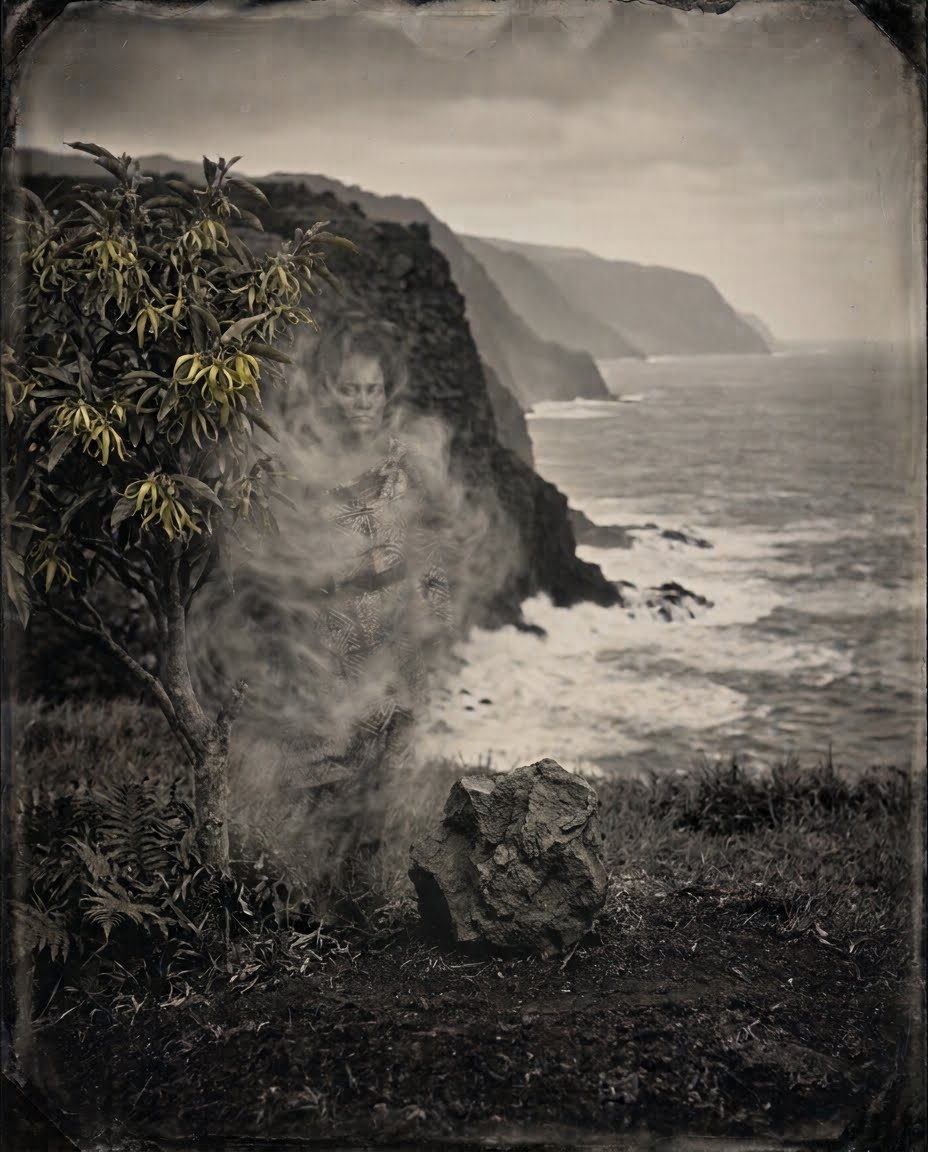
After her untimely death, her grieving neighbors sought to mark her resting place on the wind-scoured flats near the edge of the rocky shore. Because timber was scarce and the soil was too thin and rocky to dig deep, they hauled a massive, weathered chunk of basalt from the beach and planted it vertically in the earth as a crude headstone. Around its base, a sympathetic friend planted a single, fragile ylang-ylang sapling. In a place better suited for hardy coastal brush, the young tree was an anomaly; its delicate leaves and need for sheltered, rich soil meant it struggled constantly against the harsh, salt-lashed trade winds of the peninsula. Yet, miraculously, it survived, growing into a gnarled, twisted outlier standing entirely alone on the flat, desolate plain—its sweet, heavy blooms casting a haunting fragrance across the rocks.
Decades passed. By the mid-20th century, a young government surveyor tasked with mapping boundaries across the settlement learned why the old-timers avoided working near the solitary stone after dusk.
One evening, as twilight painted the sheer 2,000-foot cliffs in deep, bruised purples, the surveyor was finishing his notes near Kalawao. His local assistant hastily packed his equipment, his eyes darting anxiously toward the darkening horizon.
“We need to leave,” the assistant muttered, refusing to look back toward the solitary stone marker. “The wind carries more than salt tonight.”
Scoffing at the superstition, the surveyor stayed behind to finish staking a final marker near the old coastline. As the last light faded from the ocean, the ambient roar of the surf seemed to drop into an unnerving, absolute silence. The relentless trade wind suddenly died down, replaced by an unnatural, freezing chill that carried the unmistakable, heavy aroma of crushed ylang-ylang blossoms drifting off the empty plain.
Turning around, the surveyor saw a figure standing motionless beside the weathered basalt stone. It was draped in a dark, traditional kapa cloth, standing completely still against the empty expanse of the flat. Before he could call out, the figure turned its head toward him—not with a natural motion, but in a series of rigid, unnatural jerks.
Where its face should have been, there was only the shifting, grey blur of a sea mist rolling off the water.
The surveyor dropped his transit pole and ran blindly across the uneven lava rock, driven by a primal terror until he reached the safety of the village lights. He never returned to the Kalawao flats after dark.
Today, visits to Kalaupapa are strictly regulated to preserve the deep historical sanctity of the land and protect the privacy of those who chose to stay. For the few travelers permitted to journey down the steep pali trail or fly into the remote airstrip, the quiet expanse offers a powerful space for reflection. Those who walk the plains still report moments where the heavy, sweet scent of ylang-ylang drifts unexpectedly across the open wind—appearing out of nowhere on a barren stretch of coastline, a fleeting whisper of memory from souls who were never allowed to go home.